Jamaican Food Centennial: Looking Back at a Century of Cooking
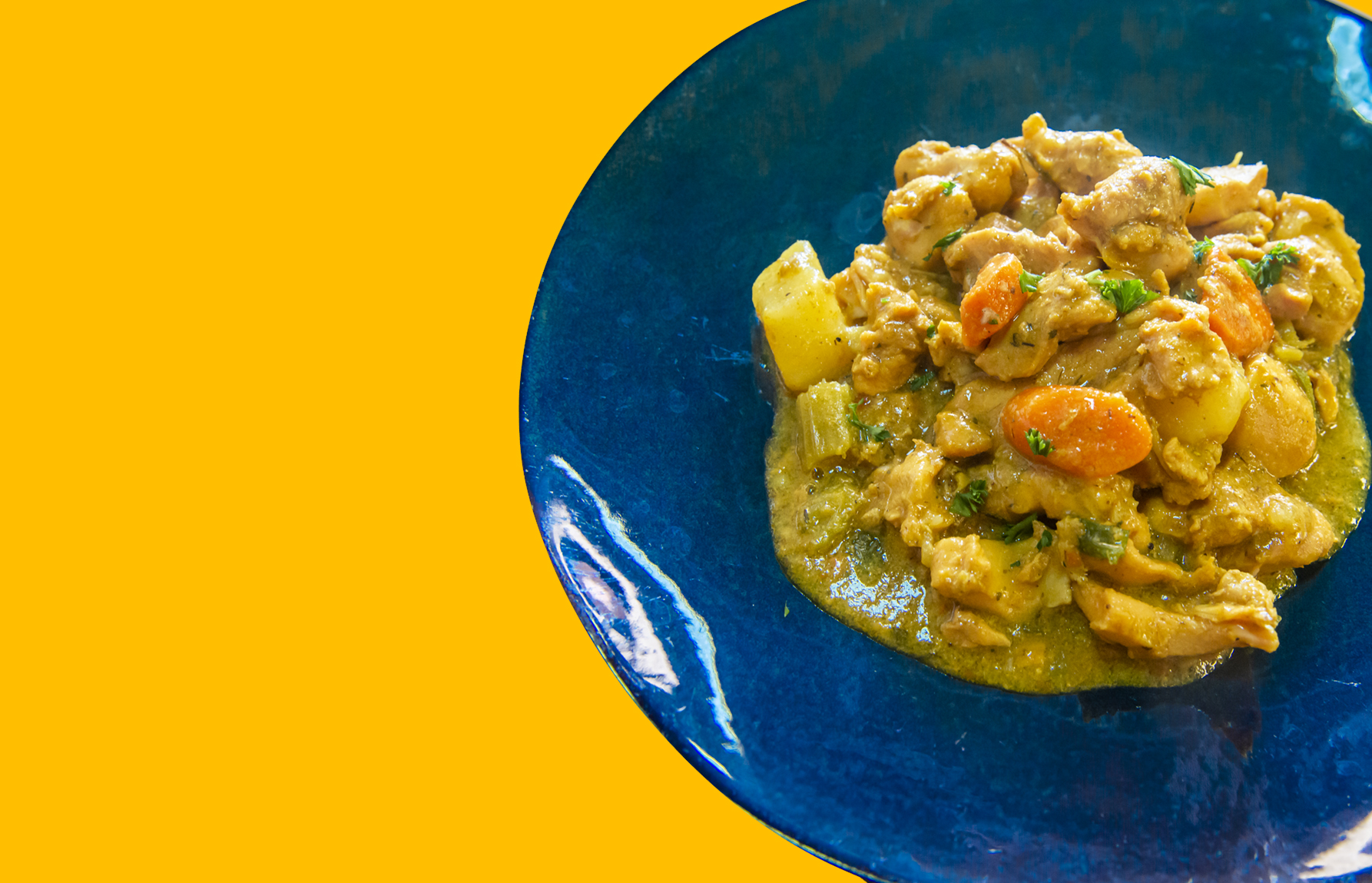
A century is a useful span for thinking about food. It is long enough for ingredients to rise and fall, for migration to reshape habits, for cooking fuel and kitchen tools to change the texture of daily life. It is also short enough that memory still reaches into it. In Jamaica, that matters. A grandmother born in the 1920s or 1930s might have cooked over coal or wood, salted fish because refrigeration was limited, and stretched provisions through hard weeks. Her grandchildren may now order jerk chicken from a roadside pan one night, sushi the next, and still insist that Sunday dinner is not complete without rice and peas, proper gravy, and a drink sweet enough to feel festive.
The idea of a jamaican food centennial is not just a sentimental look backward. It is a serious way of asking how Jamaicans have fed themselves through colonial hangovers, war economies, political tension, migration, tourism booms, and the pressure of modern convenience. The answer is not a neat timeline. Jamaican food has never been static. It is a living system built from African memory, Indigenous knowledge, European rule, Indian and Chinese migration, local ingenuity, and the practical discipline of making flavor out of constraint.
Spend time in a Jamaican kitchen, or even in the market before the kitchen comes alive, and one thing becomes clear. The story of the food is not simply about recipes. It is about labor, climate, trade routes, church calendars, school lunches, remittance barrels, and the social ritual of feeding people generously even when there is not much to spare.
The older backbone of the Jamaican table
Long before anyone would speak of a jamaican food centennial, the foundations were already in place. Cassava, maize, peppers, and methods of smoking and preserving came from the island’s earliest peoples. Enslaved Africans carried food knowledge under brutal conditions and rebuilt cuisine from fragments: one-pot cooking, yam and plantain cookery, soups that turned scraps into nourishment, seasoning traditions rooted in fresh herbs, spice, and heat. European colonization brought cattle, salt cod, wheat flour, and a plantation economy that distorted local diets even as it introduced new ingredients. Later, Indian indentured laborers contributed curry techniques and spice habits. Chinese Jamaicans influenced retail food culture and cooking alike, particularly in urban centers.
By the early twentieth century, the broad shape of recognizable Jamaican cooking was already there. Ground provisions mattered. Saltfish mattered. Escovitch and brown stewing mattered. So did soup, porridge, patties, bun, and hard dough bread. A Sunday meal had a structure many people today would still recognize. What changed over the next hundred years was not the abandonment of these forms, but the context around them.
In the first decades of the twentieth century, food was closer to the rhythm of the land. Seasonality was less of a lifestyle concept than a fact. Rural families often grew at least part of what they ate. Breadfruit, banana, yam, coco, cho cho, pumpkin, callaloo, gungo peas, and various fruits entered the kitchen through local networks rather than supermarket shelves. Chickens were not abstract protein. Someone cleaned them. Goats were often eaten on occasions, not casually. Fish varied by coast, season, and weather. If rain ruined crops or roads became difficult, menus changed.
That older Jamaican table also depended on thrift. Salted meat and fish, pickling, drying, heavy use of starches, and soups that made a little seem like enough were all practical choices. The food was bold, but the boldness did not come from extravagance. It came from seasoning, timing, and judgment.
The kitchen before convenience
It is impossible to understand one hundred years of Jamaican cooking without imagining the kitchen itself. In many homes, especially in rural parishes, early and mid-century cooking could be physically demanding. Coal stoves, wood fires, outdoor fireside cooking, hand-grated coconut, hand-picked thyme, and long simmering were ordinary work. Even a relatively simple meal took effort. Rice and peas required coconut milk, whether from a grated coconut or a later canned substitute. A proper soup needed patience. Festival dough was mixed by hand. Pepper had to be respected because Scotch bonnet is not a fashionable heat, it is a serious ingredient that can dominate carelessly.
That labor shaped flavor. Food often cooked longer and slower. Smoke touched more dishes. Pots were watched closely because heat control was less exact. People learned by scent and sound as much as by measurement. The phrase “season to taste” sounds casual on paper, but in Jamaican cooking it often rests on years of sensory training. You know when the scallion has softened enough to sweeten. You know when pimento has given what it needs to give. You know when browning is deep enough for stew but not bitter. Those are not cookbook abstractions.
The shift toward gas stoves, electric ranges, pressure cookers, blenders, refrigerators, and freezers changed more than speed. It altered what could be stored, how often shopping was necessary, and which dishes remained practical on a weekday. Saltfish still mattered, but less because it was one of the safest proteins to keep. Fresh chicken became easier to handle. Frozen imports expanded options. Convenience did not erase tradition, but it did compress processes that once organized the day.
Breakfast, lunch, and the shape of ordinary eating
Nostalgia usually celebrates special dishes, yet the century is best measured through ordinary meals. Breakfast in Jamaica has long carried unusual weight. Ackee and saltfish may be the iconic national dish, but most households have never eaten it every morning. More common, depending on decade and class, were porridges made from cornmeal, plantain, peanut, oats, or hominy, often sweetened and spiced. Fried dumplings, roast breadfruit, yam, green banana, mackerel rundown, or leftover stew could all appear. Strong tea, chocolate tea, and coffee moved through different households in different ways.
Lunch and “dinner” have also reflected Jamaican scheduling more than imported categories. In many settings, the midday meal could be substantial, while evening meals varied from leftovers to a fresh cooked plate. Schoolchildren relied on patties, buns, bread, and whatever pocket money allowed. Workers needed food that traveled and held. Rice paired with peas or plain rice worked because it absorbed gravy well, stretched protein, and stayed satisfying.
Across the century, what stands out is continuity in the value placed on satiety. Jamaican food, at its core, aims to satisfy. It is not built around tiny portions or restrained seasoning. Even when ingredients are modest, the meal is expected to feel complete. That instinct explains why side dishes such as fried plantain, boiled provisions, bammy, and festival are not decorative. They are structural.
Jerk, from local method to global shorthand
No discussion of the last hundred years can avoid jerk, but the familiar tourist version tells only part of the story. Jerk is first a method and a preservation logic, rooted in seasoning meat deeply and cooking it slowly over pimento wood or related smoky heat. Pork was central for generations, particularly in parts of the island where pit-style cooking persisted. Chicken rose later as a mass favorite, helped by lower cost, faster cooking, and easier commercial scaling.
Over the past fifty to sixty years, jerk became one of Jamaica’s most visible culinary exports. That visibility brought success and dilution at once. At its best, jerk remains layered, smoky, hot, aromatic, and slightly sweet from the charring edges of the meat. At its weakest, it is just spicy grilled chicken with bottled sauce. Anyone who has eaten from a real roadside jerk pan knows the difference immediately. The smoke penetrates. The fat renders properly. The heat blooms slowly rather than shouting all at once.
This tension between authenticity and adaptation appears throughout the jamaican food centennial story. Foods travel. They must. Diaspora cooks substitute ingredients. Restaurants simplify labor-intensive methods. Export brands standardize flavor. Some loss is inevitable. Yet there is also gain. Jerk’s global reach introduced many diners to pimento, Scotch bonnet, and the broader logic of Jamaican seasoning. It created pride and economic opportunity, even as it invited imitation.
The Sunday pot and the culture of abundance
For all the changes in the last century, Sunday remains one of the strongest anchors in Jamaican food culture. Sunday dinner, whether eaten at midday or later in the afternoon, often serves as a weekly act of restoration. The dishes vary by household, but the social expectation is strikingly consistent. The meal should be proper. It should look generous. It should reward the week’s work.
Rice and peas, often made with kidney beans or gungo peas depending on season and preference, is a centerpiece not because it is rare but because it is ceremonial in repetition. Pair it with chicken, oxtail, curried goat, roast beef, fried fish, or another favored protein, and the plate becomes a statement about care. Add macaroni and cheese in some homes, steamed vegetables in others, and there is often enough food for second helpings and next-day leftovers.
That rhythm has endured because it is bigger than cuisine. It organizes family memory. Adult children remember who made the best gravy, who insisted the rice should never be mushy, who hid the best piece of chicken, who grated the coconut by hand because canned milk “just nuh taste the same.” Food historians sometimes focus heavily on ingredients and trade, but domestic ritual deserves equal attention. Many dishes survive not because they are efficient, but because they are tied to belonging.
Migration changed the menu, but not only in one direction
If one had to choose a single force that most transformed Jamaican food over the last century, migration would be near the top. Jamaicans moved to Britain, the United States, Canada, and elsewhere in significant numbers, especially from the mid-twentieth century onward. They carried recipes, cravings, and standards with them. They also encountered shortages, substitutions, and new markets. Saltfish could be found, but perhaps not the same way. Callaloo might mean something different depending on the country. Scotch bonnet might be harder to source in earlier decades. Breadfruit and ackee could become treasured finds rather than ordinary groceries.
Diaspora cooking created a feedback loop. Jamaicans abroad improvised with what they had, then returned home with altered tastes, new ingredients, and different expectations. Tinned goods, seasoning mixes, imported snacks, and later fast-food chains entered local life partly through this exchange. So did restaurant entrepreneurship. Many people first encountered Jamaican food in diaspora restaurants where menus had already been adjusted for local customers. Bone-in cuts might be reduced. Heat levels softened. Portions shifted. Yet the restaurants also preserved dishes that might otherwise have remained confined to home kitchens.
One of the more interesting developments in the late twentieth and early twenty-first centuries is the rise of “heritage consciousness” among second- and third-generation diaspora Jamaicans. Some grew up eating curry goat at jamaican food centennial weddings and patties after school but only later sought to understand the full range of the cuisine. That has led to renewed interest in soups, porridges, old-style desserts, and parish-specific specialties that were never as globally famous as jerk or patties.
Tourism brought attention, money, and a simplified version of the island
Tourism has had an undeniable effect on Jamaican food. Hotels and resorts helped popularize certain dishes while downplaying others. Visitors learned to ask for jerk chicken, rum punch, escovitch fish, curried goat, and ackee and saltfish. They were less likely to be introduced to a truly wide field of everyday cooking, especially food that is visually humble but culturally central.
This is a familiar trade-off in places with strong culinary identity. Tourism creates jobs, demand for local ingredients, and pride in signature dishes. It also encourages simplification. Menus flatten regional distinctions. Heat gets adjusted. Complex home dishes disappear because they are harder to standardize or less legible to travelers. A thin resort version of “Jamaican breakfast” can miss the real range of what people actually eat.
That said, tourism has also indirectly supported craft. Good chefs and vendors know that visitors respond to confidence and specificity. A well-run roadside stand, fish fry, bakery, or pattie shop can teach more about the island than a luxury buffet ever will. The strongest tourism-era food businesses have succeeded not by erasing local character, but by presenting it clearly.
Patties, bakeries, and the rise of fast food with local character
One of the most telling signs of modern Jamaican food culture is the patty. Over the last century, it moved from a savory pastry with colonial and South Asian echoes into a national convenience food with deep emotional standing. The crust became brighter, often with turmeric or annatto tones. Fillings expanded beyond beef to chicken, vegetable, soy, lobster in some high-end experiments, and intensely seasoned regional variations. Pair a patty with coco bread and you have one of the island’s most enduring quick meals.
Bakeries have always mattered in Jamaican life, but the modern bakery became a crossroads of tradition and speed. Hard dough bread, spice bun, rock cake, gizzada, bulla, drops, and plain loaves shared space with packaged pastries and soft drinks. Over time, the bakery helped bridge old and new Jamaica. It offered continuity without demanding long home preparation.
Fast food itself did not land on empty ground. Jamaica already had strong traditions of street and convenience eating. What changed in the later twentieth century was branding, scale, and standardization. Local chains and international franchises taught new expectations around speed and consistency. Yet many people still judge these meals against home standards. Fried chicken may be popular, but people still discuss whether it has enough seasoning. A burger may sell, but a box lunch with curry gravy often speaks more directly to appetite.
What vanished, what survived, what adapted
No century passes without losses. Some older cooking habits have receded because they are too laborious, too time-intensive, or too dependent on ingredients and fuel sources less common than before. Certain rural preparations survive mainly with older cooks. Hand-processing, from grating coconut to pounding spices and peeling provisions in quantity, is less common in urban homes. Some younger cooks know the flavor they want but not always the old route to getting there.
At the same time, many traditions proved resilient because they were flexible. Soup remains a powerful example. Jamaican soups, whether red peas, chicken foot, pumpkin, mannish water, or fish tea, can evolve with circumstance while staying recognizable. They are not fixed museum objects. The same is true of curry, stew peas, rundown, and rice dishes. Recipes vary from parish to parish, even house to house. Variation is not a flaw. It is how the cuisine breathes.
The ingredient question is more complicated. Some local produce remains abundant, but imported food has transformed shopping patterns. Processed snacks, sugary drinks, refined carbohydrates, and cheap oils have become more common over the decades, as in many parts of the world. Public health conversations around diabetes, hypertension, and obesity now sit alongside food pride. That creates tension. Traditional Jamaican food is often more balanced than outsiders assume when it includes legumes, vegetables, fish, provisions, and moderate portions. Yet restaurant and celebratory eating can lean heavily on salt, sugar, and fat. The challenge is not to romanticize the past or demonize the present, but to be honest about both.
The taste of memory and the discipline of technique
People often speak about Jamaican food as though flavor arrives automatically through a famous list of seasonings. It does not. Technique matters. Browning sugar for stew without burning it matters. Washing and acidulating fish properly matters. Knowing when callaloo should still taste fresh rather than overcooked matters. The handling of thyme, scallion, onion, garlic, ginger, pimento, and Scotch bonnet is not random. Great Jamaican cooking is controlled cooking.
That control is why two versions of the same dish can differ so sharply. A good curry goat has depth, clean spice, tenderness without collapse, and enough resting time for the seasoning to settle. A weak one tastes dusty or one-note. A good ackee and saltfish respects the softness of ackee and the salinity of the fish. A bad one turns watery or overworked. A strong cook knows where the dish can bend and where it cannot.
This is where lived experience shows. Many recipes written for broad audiences are too tidy. They flatten the judgment calls that home cooks make instinctively. Real cooking on the island often depends on what the market offered that morning, how mature the plantain is, whether the goat is a tougher animal that needs more time, whether the coconut milk is fresh, whether the pepper is unexpectedly fierce. Those variables are part of the tradition, not deviations from it.
New Jamaican cooking is not less Jamaican
Over the last twenty to thirty years, younger chefs and food entrepreneurs have revisited Jamaican cuisine with fresh confidence. Some focus on regional ingredients, some on plating and fine dining, some on vegan and Ital traditions, some on pastry and beverage work. This should not be dismissed as trendiness. It is a normal stage in a mature food culture. Once a cuisine has strong roots, creative branches can grow.
What matters is whether innovation remains connected to flavor logic. A breadfruit gnocchi, a sorrel glaze, or a Scotch bonnet jam can make perfect sense if built with understanding. Jamaican cuisine has always been adaptive. Curry itself was once an arrival. The patty was once a hybrid form. Chinese Jamaican influences once felt new. Purity is not the historical standard. Integrity is.
The revival of interest in bush teas, cassava, breadfruit flour, heritage cocoa, artisanal rum, and traditional preserving methods suggests a broader maturity. There is room now for both the market lunch pan and the chef’s tasting menu, provided both respect the people who kept the food alive when it was not fashionable.
What the next century will demand
Looking back across a jamaican food centennial also means facing what lies ahead. Climate pressure is real for an island food system. Hurricanes, irregular rainfall, crop disease, and rising costs can affect staples dramatically. Fishing pressure, imported food dependency, and land use changes will shape what future Jamaican kitchens can access affordably. So will labor. Fewer people may want the physically exhausting work that older food traditions often required.
Yet there are reasons for confidence. Jamaican food has survived because it is not fragile. It excels at adaptation. It knows how to turn scarcity into flavor, how to absorb outside influence without losing itself, and how to make a meal feel abundant through seasoning, starch, texture, and care. The strongest preservation strategy may not be freezing cuisine in place. It may be teaching the fundamentals well enough that the cuisine can keep changing intelligently.
That means passing on more than recipes. It means teaching children how a proper soup should taste, how to handle fresh thyme, how not to flatten ackee, how to choose breadfruit, how to cook rice and peas so the grains stay distinct. It means valuing the market women, fish vendors, bakers, and home cooks whose work often escapes glamorous food writing. It means treating Jamaican food not as a collection of clichés but jamaican food centennial as a serious culinary tradition with local nuance and technical depth.
A century of Jamaican cooking reveals something sturdy and generous at the center of the cuisine. The dishes are memorable, yes, but the deeper achievement is cultural. Jamaican food has held together families, traveled oceans, fueled workers, marked celebrations, and carried memory through change. It has stayed rooted while refusing to stay still. Few food traditions manage that balance so well.
When people speak warmly about Jamaican food, they often talk first about heat or bold seasoning. Those are visible signatures. The truer hallmark is judgment, knowing how much, how long, how ripe, how smoky, how tender, how salty, how sweet. That judgment has been built over generations. Looking back across one hundred years, it is the clearest sign that Jamaican cooking is not just beloved. It is wise.
Reggae Pot Jamaican Grill
Address: 7562 S University Blvd C, Centennial, CO 80122
Phone number: +13039975623
FAQ About Jamaican Food Centennial
What is typical Jamaican food?
Typical Jamaican food features bold, vibrant flavors created by blending African, Taino, European, and Asian influences.
What is a famous Jamaican dish?
The most famous Jamaican dish is Ackee and Saltfish, which is the national dish of Jamaica.
What are the top 10 foods to eat in Jamaica?
AI Overview The top 10 traditional foods to eat in Jamaica are bold, flavorful dishes that mix local ingredients with global influences.