Food History Lessons from the Jamaican Food Centennial
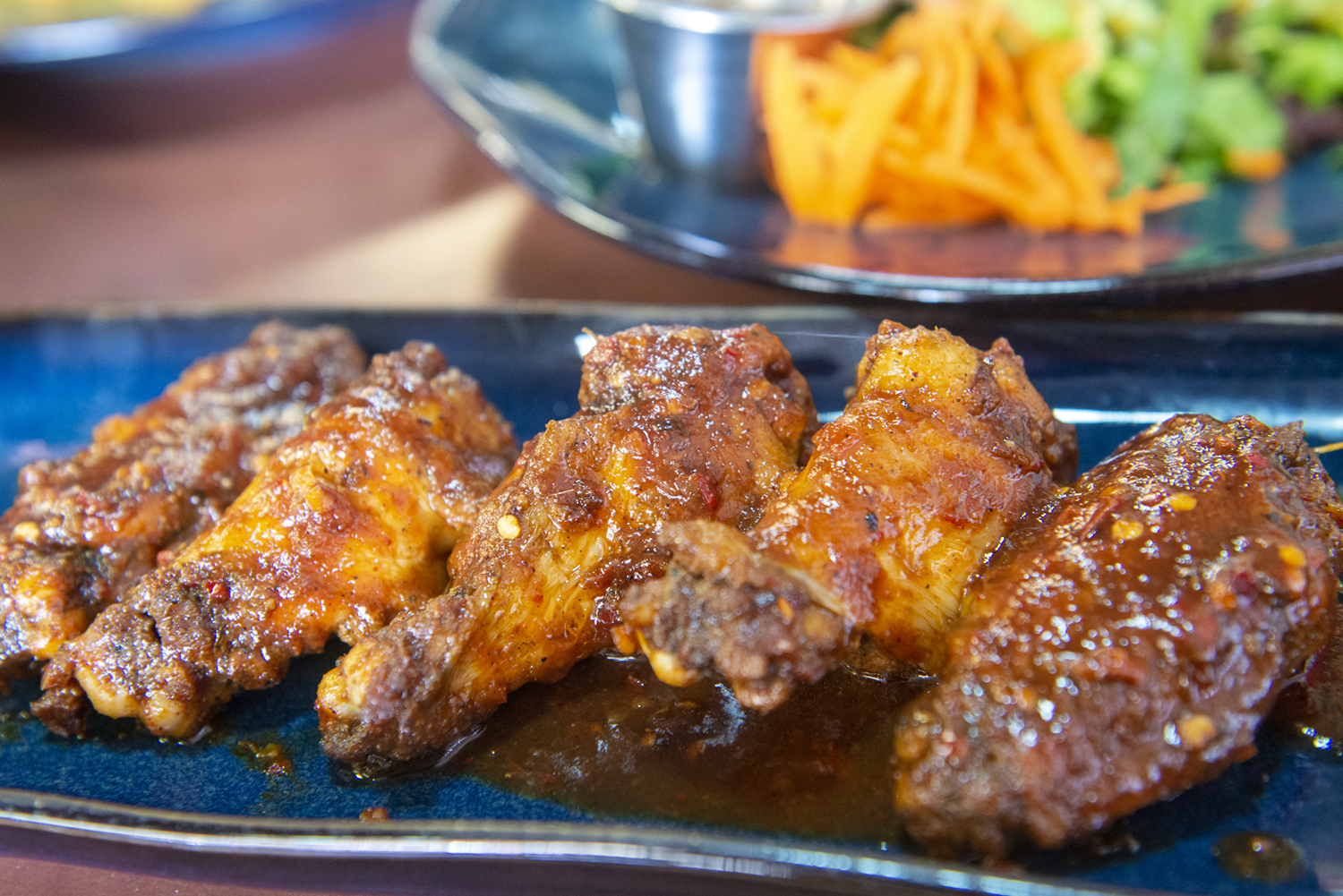
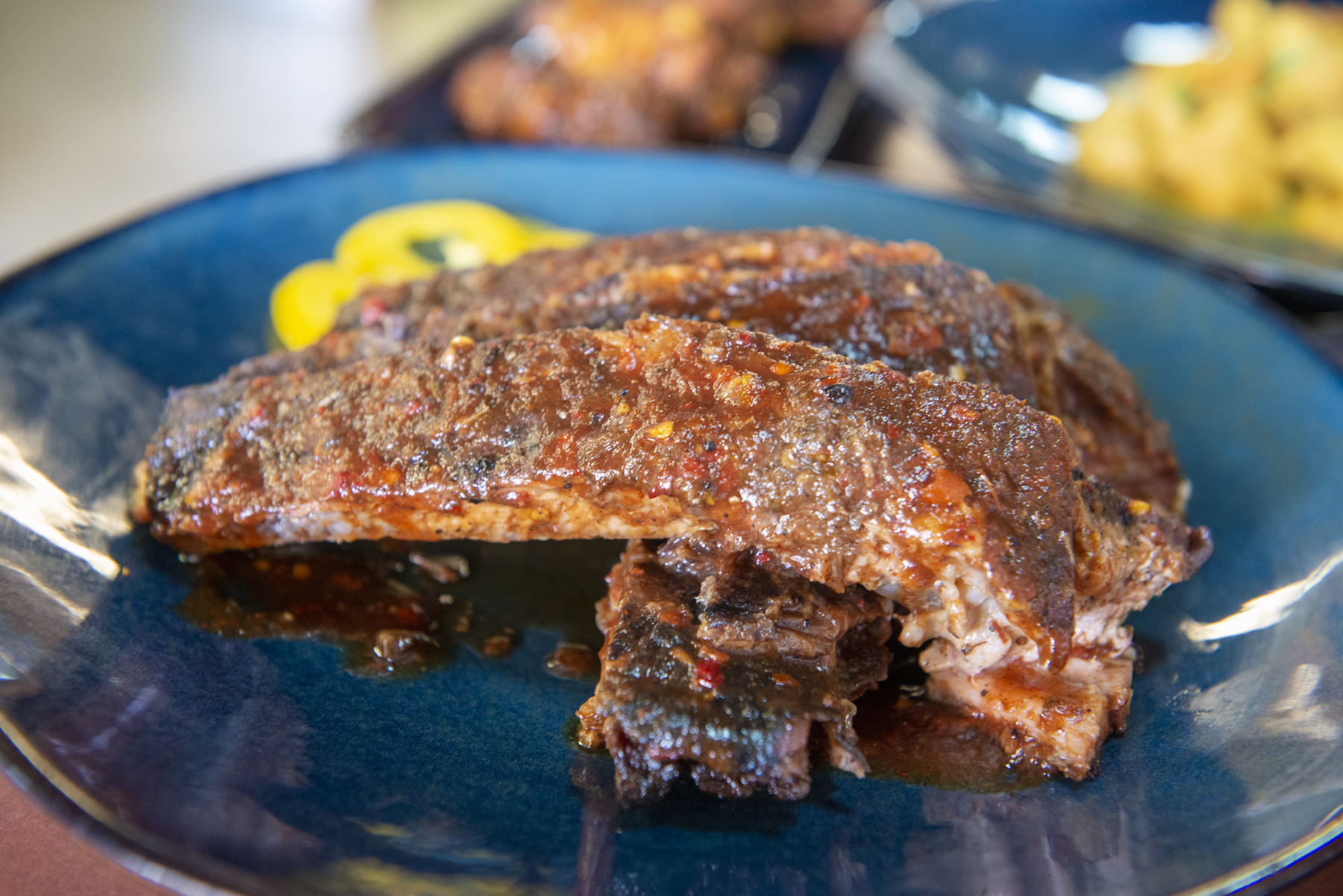
Anniversaries have a way of sharpening the eye. They invite celebration, but they also invite audit. What lasted, what changed, what was borrowed, what was resisted, and what quietly disappeared from everyday life. Looking at the Jamaican food centennial through that lens reveals far more than a parade of beloved dishes. It opens a record of labor, migration, land use, class aspiration, trade routes, and memory.
Food history is often reduced to origin stories that sound neat at the table and collapse under scrutiny. One dish is called purely African, another purely British, another “native,” as if people cooked inside sealed compartments. Jamaica has never worked that way. The island’s cuisine grew through collision and adaptation, often under pressure. Enslaved Africans carried botanical knowledge and cooking methods into a plantation economy designed to deny them autonomy. Indigenous foodways left traces in ingredients and techniques even after devastating colonial disruption. Europeans imposed systems of production and taste, then changed them whenever profit demanded it. Later arrivals from India, China, the Levant, and elsewhere widened the pantry again. Every generation altered the balance.
That is what makes the Jamaican food centennial such a useful teaching tool. It encourages us to read food as evidence. Not decorative evidence, not sentimental evidence, but hard evidence of how a society organized itself and how ordinary people made lives within those constraints.
A centennial is never just about the last hundred years
The first lesson is straightforward but frequently ignored. A centennial sounds like a hundred-year story, yet food refuses that boundary. If a commemorative moment asks Jamaicans to reflect on national food identity, the answer has to reach much further back. Rice and peas on a Sunday plate cannot be understood without peasant marketing systems, the availability of imported rice, local bean cultivation, coconut use, and the way Sunday dinner became a ritual marker of respectability and family cohesion. Jerk cannot be explained without Maroon survival, smoke preservation, hunting practice, allspice landscapes, and the politics of mountain refuge. Patties belong not only to recent convenience culture, but also to older histories of portable savory pastries shaped by British, Spanish, South Asian, and Afro-Caribbean habits of seasoning and dough work.
When people celebrate a national cuisine at a centennial, they often want stable symbols. Ackee and saltfish. Jerk pork. Escovitch fish. Curry goat. Bammy. Pepper pot. Those symbols matter, but the historian’s task is to ask why these dishes became representative and when. National dishes are selected, repeated, marketed, and ritualized. Some rise reggaepotjamaicangrill.com jamaican food centennial because they taste exceptional. Some rise because they fit tourism. Some rise because they travel well into restaurants and cookbooks. Some rise because urban middle classes embrace them as shorthand for authenticity.
That means the Jamaican food centennial teaches a cautionary lesson. The dishes that stand for a nation are not always the dishes most people historically ate most often. Everyday yam, green banana, cornmeal porridge, breadfruit, salted mackerel, mannish water, run down, callaloo, cassava preparations, and improvised market meals tell us just as much, often more.
Scarcity shaped taste as much as abundance
One of the most consistent mistakes in food writing is to treat flavor as if it emerges from creativity alone. Creativity matters, but scarcity leaves a deeper imprint. Jamaica’s cuisine developed through repeated periods when cooks had to stretch ingredients, substitute intelligently, preserve aggressively, and flavor modest proteins with confidence.
Saltfish is the obvious case. It is now cherished, and rightly so, but its prominence came from trade systems and practical necessity. Preserved cod could survive long journeys and storage conditions that fresh fish could not. It entered Caribbean foodways through imperial commerce, then was transformed by local technique and appetite. Mixed with ackee, tomato, onion, scallion, Scotch bonnet, and thyme, it became something far better than a mere imported staple. But the historical lesson remains. Beloved foods are often built from what was cheap, durable, or imposed.
The same is true for offal dishes, soups assembled from “lesser” cuts, and starch-heavy meals that kept workers fed. A well-made red peas soup is not a side note in Jamaican food history. It is a document of resourcefulness and appetite. The dumplings that swell in the pot are practical, satisfying, and economical. The pig’s tail or salted beef contributes flavor as much as meat volume. Coconut milk, pimento, scallion, and thyme do heavy lifting. None of that happened by accident.
The Jamaican food centennial should therefore remind us to look past polished restaurant versions and ask harder questions about what people could actually afford. A nation’s culinary identity is never only a gallery of special occasion dishes. It is also the long memory of making enough.
Enslavement and freedom are both on the plate
No honest history jamaican food centennial of Jamaican food can dodge the plantation. Sugar transformed land, labor, diet, and ecology. It concentrated wealth while narrowing local autonomy. Provision grounds, where they existed, became crucial spaces in which enslaved people could grow food, sustain families, trade produce, and preserve culinary practice under brutal conditions. Those grounds helped shape the island’s relationship with yam, plantain, cassava, cocoyam, callaloo, and pepper. They also helped sustain local market networks that remained important after emancipation.
This matters because food history can become dangerously soft around violence. People admire resilience, and they should, but resilience is not a substitute for naming coercion. Jamaica’s cuisine is rich partly because oppressed people defended knowledge and built flavor under systems meant to reduce them to labor units. Smoke, spice, starch, broth, and fermentation all carry that story.
After emancipation, changes in land access and peasant marketing opened new possibilities, though never evenly and never generously enough. Small farmers, higglers, and market women played a decisive role in what Jamaicans ate and how ingredients moved from rural districts to towns. Anyone who has spent time in Caribbean markets knows how much culinary knowledge sits with vendors. They know seasonal rhythms, varietal differences, how one yam boils versus another, which banana is best for green boiling and which for ripening, what kind of cassava will make a better bammy, and when a breadfruit will roast sweet instead of starchy. That kind of expertise seldom appears in official commemorations, yet it is central to the food record.
A centennial invites flags and formal speeches. Food history asks us to pay equal attention to the woman under the market awning trimming callaloo with a small knife and naming the parish where it came from.
Migration changed the pot without erasing what was already there
Jamaican cuisine is often praised for fusion, a word that can be useful and irritating at the same time. Useful, because the island undeniably absorbed multiple culinary traditions. Irritating, because “fusion” sometimes implies a smooth, fashionable blending detached from the historical realities of indentureship, migration, and uneven power.
Indian influence, for example, did not simply add curry to an otherwise complete cuisine. It reshaped seasoning habits, spice expectations, and street food possibilities. The Jamaican curry profile developed its own personality, warmer and often less creamy than many South Asian restaurant styles elsewhere, adapted to local herbs, fats, and meats. Curry goat became iconic not because it remained unchanged from any one Indian precedent, but because Jamaican cooks made it answer Jamaican taste.
Chinese Jamaican food followed a similarly complex path. Techniques of quick cooking, sauces, and shop culture influenced urban eating in ways that many people now take for granted. The same is true of pastries, breads, and festive cakes shaped by British baking traditions, then transformed by local ingredient realities and Caribbean preference. The black cake at Christmas is not just an inherited colonial dessert. It is a Caribbean argument with empire, soaked in rum and local interpretation.
A useful way to think about this is not purity, but settlement. Ingredients and methods arrive, then they settle differently depending on climate, class, religion, availability, and local desire. Scotch bonnet changes the conversation. Thyme changes it. Coconut milk changes it. So does the pace of charcoal cooking, the economics of a roadside stall, and the expectation that a dish should satisfy people doing hard physical work.
That is why the Jamaican food centennial can teach a second caution. It is tempting to assign ownership too rigidly. More often, Jamaican food shows how communities leave marks on one another without dissolving into sameness.
National cuisine is built in homes before it reaches hotels
Tourism has done two contradictory things to Caribbean food cultures. It has amplified pride and visibility, and it has flattened complexity. Jamaica is no exception. Many international visitors can name a handful of dishes, usually the boldest or most marketable. Jerk is an obvious example. It deserves the fame, but its fame can overshadow the domestic range of Jamaican cooking.
The center of gravity has always been the home kitchen. Not every home kitchen looked the same, and class mattered enormously. Urban and rural households cooked differently. Fuel type mattered. Access to refrigeration changed menu planning. Parish traditions diverged. Yet the home remained the place where taste memory settled. How much browning a stew should have, whether a dumpling ought to be firmer or softer, whether ackee should be kept in larger curds or broken finer into the saltfish, when to add scallion to a pot so it perfumes without vanishing, these judgments come from repeated household practice.
The Jamaican food centennial becomes especially interesting here, because centennials often encourage official narratives while food resists official control. Ministries can sponsor festivals. Hotels can brand “authentic experiences.” Television can package the island through a few photogenic plates. But a grandmother deciding whether to use coconut milk in her rice and peas this Sunday, because prices ran high this week and she has a church event next month, is participating in food history more concretely than any brochure.
In professional kitchens, I have seen young cooks chase presentation before they understand household baseline flavor. That is a common modern problem, not unique to Jamaica. A dish can look exact and still taste thin because the cook learned plating before memory. Food history corrects that. It insists that technique lives in repetition, and repetition usually begins at home.
Preservation, fire, and patience still matter
One of the easiest ways to miss the past is to ignore technique and focus only on ingredients. Yet many of Jamaica’s deepest culinary lessons are technical. Fire management matters. So does preservation. So does time.
Jerk is again the clearest illustration, but not the only one. The method is more than a seasoning blend. It is a relationship between meat, spice paste, wood smoke, distance from flame, and patience. The allspice wood matters when available. The timing matters. The way fat renders and drips, feeding smoke and returning flavor, matters. Modern shortcuts can produce tasty food, but they are not identical. Anyone who has tasted roadside jerk cooked slowly in a traditional style knows the difference between smoke that seasons and smoke that merely coats.
Escovitch tells another story, this one about acid and keeping quality. Fried fish topped with pickled vegetables is not just delicious contrast. It also reflects preservation logic in a warm climate. The same can be said for many pepper-heavy, salt-aware, vinegar-friendly dishes across the region. Flavor and practicality are not opposites. Historically, they were allies.
Even porridge carries technical knowledge that does not survive casual cooking. Cornmeal porridge that lumps, oats cooked without enough salt, plantain porridge lacking balance between sweetness and depth, these are not minor failures if you care about inheritance. The old cooks understood texture as seriously as seasoning. They knew how long to stir, when to lower heat, how to let a starch bloom fully, and how to finish with spice in a way that warms rather than perfumes like a candle.
For a centennial celebration, this suggests a simple standard. If the event honors food but neglects technique transmission, it risks turning cuisine into display. Recipes alone are not enough.
What the commemorative table often leaves out
Every national food celebration has blind spots. Some are innocent, some are commercial, and some reflect class preference. In Jamaica, the glamorous dishes usually get the spotlight, while foods associated with austerity, country life, or older generations can be pushed to the margins.
A serious reading of the Jamaican food centennial should bring back questions like these:
- Which foods fed schoolchildren, laborers, and market vendors on ordinary weekdays?
- Which dishes changed because imported goods became cheaper or more available?
- Which rural preparations faded when younger people migrated to Kingston or overseas?
- Which ingredients became status markers, and which remained coded as “poor people food” until chefs rediscovered them?
- Which techniques survive mainly because elders kept doing them without public recognition?
Those questions matter because food heritage is rarely lost all at once. It thins out. A substitution here, a skipped step there, a vanished variety of yam, a market no longer worth the trip, a child who likes the taste but never learns the method. Before long, a cuisine can still appear vibrant while its depth of knowledge narrows.
Breadfruit offers a good example of this tension. It remains visible and beloved, but the range of ways it is handled can contract over time if people know only the most common preparations. Roasted breadfruit with ackee and saltfish is famous, and for good reason. Yet breadfruit can be boiled, fried, mashed, chipped, stewed into soups, and treated with all kinds of textural intent. The same goes for cassava, green banana, and callaloo. Heritage is not only about keeping ingredients around. It is about keeping options alive.
Restaurants, diaspora, and the pressure to simplify
Jamaican food outside Jamaica often becomes both ambassador and caricature. Diaspora communities preserve extraordinary culinary continuity, but they also face real constraints. Ingredient access varies. Health regulations alter traditional methods. Customers often expect a familiar shortlist of dishes. Business realities punish menus that demand too much explanation.
As a result, Jamaican cuisine abroad can narrow around star performers: jerk chicken, oxtail, curry goat, patties, rice and peas, festival, coco bread. There is nothing wrong with those dishes. The problem comes when repetition creates the illusion that they are the whole story. A visitor who eats only that circuit may miss soups, puddings, porridges, steamed preparations, country drinks, ground provision pairings, and the astonishing range of seafood cookery.
Yet diaspora cooking also teaches one of the most important food history lessons of all. Authenticity is not a frozen standard. It is a negotiation between memory and circumstance. A cook in London, Toronto, New York, or Miami may have to swap one variety of pepper for another, or use a different cut, or adapt smoking methods. The best versions do not mimic blindly. They preserve the dish’s logic. They ask what makes it itself, then defend that core.
That is a lesson worth bringing back to any Jamaican food centennial event. Celebration should not become gatekeeping theater. It should become clearer thinking about what must be protected and what can bend.
The politics of “national dish”
Every country likes to name itself through food, but Jamaica’s case is especially instructive because the chosen symbols reveal contradictions. Ackee and saltfish is now widely recognized as the national dish. It is brilliant, distinct, and deservedly celebrated. Yet even this emblem carries a layered history. Ackee came to the Caribbean from West Africa. Saltfish arrived through Atlantic trade. The pairing is Jamaican not because either ingredient originated there, but because Jamaican cooks made a stable and beloved relationship out of them.
That should challenge simplistic nationalism. Nations do not always eat purity. Often, they eat synthesis under pressure. The plate says, here is who we are, but the ingredients whisper, here is where the world touched us.
There is also a class dimension to national dish politics. Dishes that move easily between home, restaurant, state banquet, and tourist brochure gain prestige faster than foods that resist formal presentation. Soup is beloved, but soup is harder to make ceremonial. Boiled ground provisions are foundational, but they do not always photograph like jerk. Porridge carries deep memory, but it is associated with morning routine rather than national spectacle.
A professional reading of the Jamaican food centennial should therefore avoid asking only which dish best represents the nation. A better question is which kinds of labor and memory receive national honor, and which remain private.
If the next hundred years are to mean anything
Commemoration without transmission is decoration. If the Jamaican food centennial is to offer genuine food history lessons, it should push attention toward practice. That means schoolchildren learning not just names of dishes, but where ingredients come from and how they are prepared. It means documenting elders while they cook, not after the fact from memory alone. It means valuing parish variation instead of sanding it down into one national script. It means supporting agriculture that keeps local staples viable, because cuisine cannot survive indefinitely as branding detached from farming.
It also means speaking honestly about change. Some shifts are losses. Others are ordinary adaptation. Few cuisines stay healthy by freezing themselves. The challenge is to recognize the difference between evolution and amnesia.
A useful test is this: when a dish changes, does it still express the practical intelligence that created it? A lighter soup may still honor the tradition if it preserves balance, body, and logic. A modern jerk method may still be respectable if it respects smoke, spice structure, and cooking tempo. A restaurant patty may innovate with fillings, but if the pastry loses flake, seasoning, and portability, it has wandered from the thing that made patties central in the first place.
Food history rewards that kind of judgment. It asks not merely whether something is old or new, but whether it still makes sense within the lineage.
The Jamaican food centennial, then, offers a rich lesson in how nations remember through appetite. Jamaica’s cuisine was built in conditions ranging from celebratory to cruel, from abundant to lean, from local to global. It bears the marks of survival, pride, improvisation, migration, and exacting taste. To study it seriously is to understand that food is never just food. It is labor made edible, memory made repeatable, and history carried to the table in forms so familiar that people sometimes forget how much they contain.
That forgetting is always the risk with beloved cuisine. The antidote is careful attention. Listen to the old market knowledge. Respect the home kitchen. Notice the methods, not just the ingredients. Ask which dishes became famous and which quietly kept the country fed. Then the centennial stops being a ceremonial milestone and becomes something more durable, a chance to read Jamaica through its cooking, and to recognize that some of the best lessons in history arrive not in archives alone, but in a pot, on coals, at a roadside pan, or across a Sunday table.
Reggae Pot Jamaican Grill
Address: 7562 S University Blvd C, Centennial, CO 80122
Phone number: +13039975623
FAQ About Jamaican Food Centennial
What is typical Jamaican food?
Typical Jamaican food features bold, vibrant flavors created by blending African, Taino, European, and Asian influences.
What is a famous Jamaican dish?
The most famous Jamaican dish is Ackee and Saltfish, which is the national dish of Jamaica.
What are the top 10 foods to eat in Jamaica?
AI Overview The top 10 traditional foods to eat in Jamaica are bold, flavorful dishes that mix local ingredients with global influences.