Caribbean Food Centennial: Signature Meals That Defined a Century
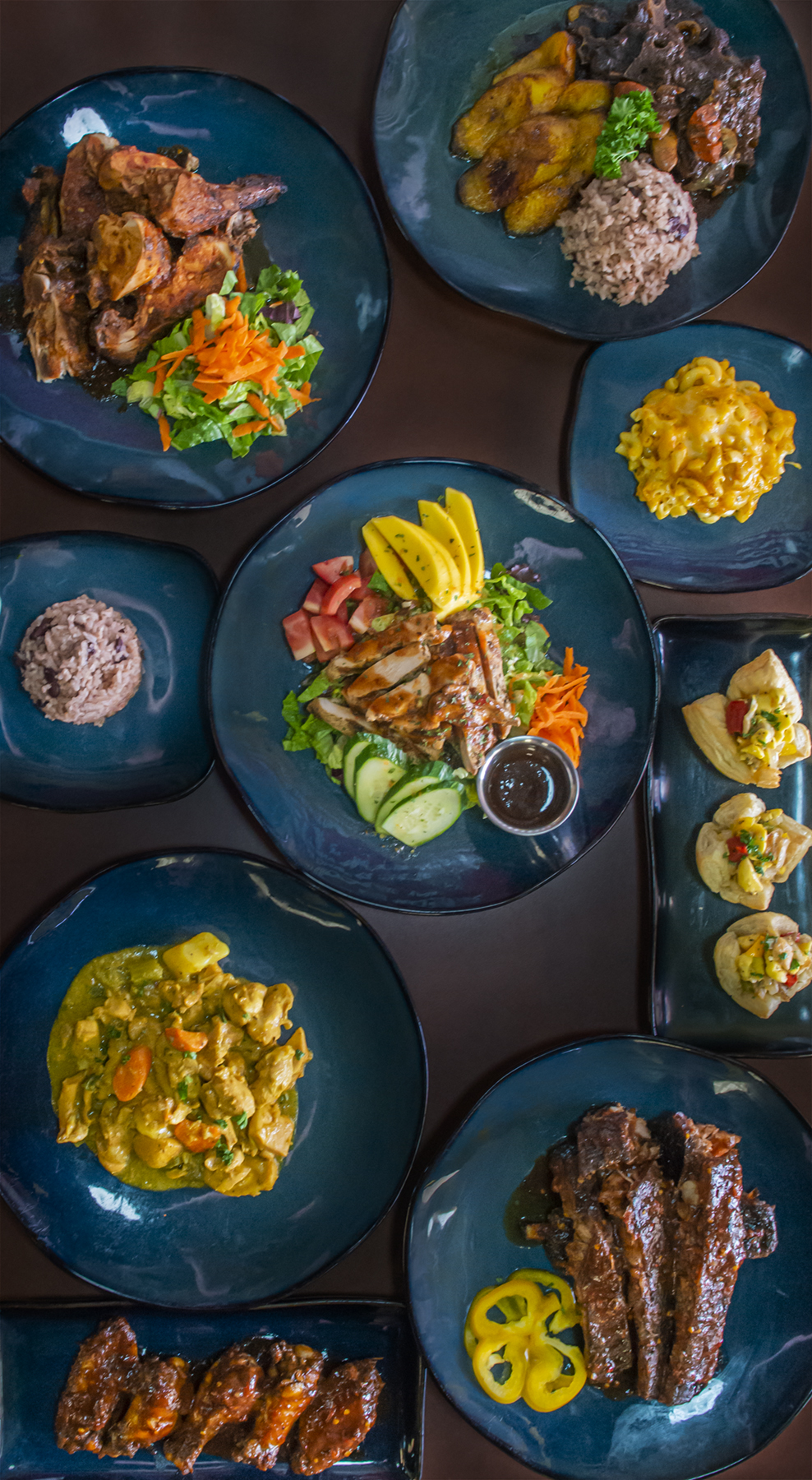
A century of Caribbean cooking cannot be reduced to postcard clichés, beach bar slogans, or a handful of spicy plates served to tourists by the sea. The region’s food is broader, older, and more deeply layered than that. It carries Indigenous knowledge, African memory, European technique, Indian migration, Chinese shop cooking, Syrian and Lebanese trade histories, and the improvisational discipline that island and coastal life demands. A proper look at a caribbean food centennial has to respect that complexity.
When people speak about “Caribbean food” as though it were singular, they usually mean a mood rather than a cuisine. The actual cooking shifts dramatically from Jamaica to Trinidad, from Haiti to Puerto Rico, from Barbados to Cuba, from Guyana and Suriname on the South American mainland to the Dominican Republic and the Lesser Antilles. Yet certain meals became signatures across the past hundred years because they did more than satisfy hunger. They marked Sunday, carnival, Christmas, mourning, migration, market life, dock work, fishing seasons, and family ambition. They were the meals that told people who they were.
The past century also changed how these dishes were made. Kerosene stoves replaced wood fires in some homes, then gas and electricity arrived unevenly. Imported rice, tinned fish, powdered milk, and flour altered daily cooking. Tourism created demand for “national dishes” presented in polished form. Migration to London, Toronto, Miami, New York, and Rotterdam carried recipes outward, then sent new tastes back home. Through all of that movement, several meals stood their ground. They adapted, but they did not disappear.
What makes a meal a regional signature
A signature meal is not always the most refined thing on the table. More often, it is the dish people argue over, crave after travel, and expect at certain moments of the year. It survives because it fits local economics and local appetite. It can feed many. It tolerates substitution when markets are thin. It rewards patience, but often starts from humble materials.
That matters in the Caribbean, where weather, shipping, colonial trade patterns, and household income have always shaped the pot. The most enduring meals are usually built around starch and sauce, seasoned proteins, and long memory. Their strength comes from repetition. If a child smells a pot every Saturday for twenty years, that meal enters identity in a way restaurant trends never can.
The meals below did not define the entire region alone, and some overlap by technique more than by exact recipe. Still, each became emblematic across the last hundred years because it reflects the Caribbean’s central themes: survival, celebration, adaptation, and pride.
Rice and peas with stewed or jerked meat, the grammar of Sunday in Jamaica and beyond
If one meal deserves to open this conversation, it is rice and peas paired with a deeply seasoned main, often stewed chicken, curried goat, brown stew fish, or jerk pork. In Jamaica, rice and peas is not merely a side dish. It is social structure. Traditionally cooked with coconut milk, thyme, scallion, Scotch bonnet, and kidney beans or gungo peas depending on the season, it anchors the plate and signals seriousness. Plain white rice can appear on ordinary days. Rice and peas usually tells you the meal matters.
Over the twentieth century, this pairing became one of the most recognizable Caribbean expressions of a complete plate. It works because each component supports the other. The rice carries aroma and fat. The gravy from the meat soaks into it. A fresh salad or steamed cabbage cuts richness. Plantain or festival may come alongside, but the emotional center remains that mound of rice taking color from the sauce.
Jerk deserves special attention within the caribbean food centennial story because it moved from local practice to international shorthand. Long before it became a menu adjective, jerk was method, preservation, and landscape. The old style, especially in Jamaica’s interior, relied on pimento wood smoke, allspice, fresh herbs, and heat that penetrated rather than merely coated. In modern export culture, many versions lean too hard on sweetness or burn without depth. The best jerk still tastes balanced, smoky, and alive with thyme, scallion, ginger, garlic, and Scotch bonnet.
What made this family of meals endure for a hundred years is versatility. Chicken became more common as poultry farming expanded. Goat remained prized but expensive. Pork moved in and out of favor depending on community and occasion. Even in lean times, the logic held. Build flavor into the starch, season boldly, create gravy, and make the meal feel abundant.
Pelau, where one pot cooking became a philosophy
Few dishes explain Caribbean judgment better than pelau. Most strongly associated with Trinidad and Tobago, though with cousins elsewhere, pelau looks simple at a distance: rice, pigeon peas, meat, coconut milk, herbs, and caramelized sugar cooked together in one pot. The execution says otherwise. Good pelau depends on timing and nerve. Burn the sugar and the bitterness dominates. Under-season the meat and the whole pot tastes flat. Add too much liquid and you get a soft, defeated texture. Stop too early and the grains never absorb character.
Across the last century, pelau became one of the region’s most beloved examples of practical brilliance. It is economical without feeling poor. It scales well for beach limes, family gatherings, and post-cricket meals. It welcomes chicken most often, but pigtail, beef, or vegetarian versions appear. Coleslaw, avocado, or pepper sauce can sit beside it, though the dish hardly needs assistance.
The reason pelau matters in a centennial view is that it captures the Caribbean instinct to collapse complexity into one pot without sacrificing flavor. This is not shortcut cooking. It is integrated cooking. Every ingredient has to contribute. In many homes, you can tell an experienced cook by the scent alone when the sugar reaches the right stage and the meat hits the pot. That moment, sharp and fragrant, is one of the unforgettable sounds and smells of Trinidadian domestic life.
Pelau also traveled well. Migrants could recreate it in foreign kitchens with accessible staples. It did not require specialty equipment. Even when ingredients changed, the principle survived. That portability helped make it one of the twentieth century’s true Caribbean ambassadors.
Roti and curry, the meal that proved migration could reshape a region
No serious account of signature Caribbean meals can ignore roti. In Trinidad and Tobago, Guyana, Suriname, and increasingly across the wider region, roti and curry became foundational through the influence of Indian indentured laborers and their descendants after emancipation transformed labor systems in the nineteenth century. Over the twentieth century, these traditions matured into distinctly Caribbean forms.
To outsiders, “roti” often gets used loosely to mean both the flatbread and the wrapped meal. Locally, distinctions matter. Dhalpuri, with ground split peas worked into the dough, has a different character from buss up shut, the soft, torn paratha whose name refers to its resemblance to a burst shirt. Pair either with curried chicken, goat, shrimp, channa, aloo, or pumpkin, and you have one of the most satisfying hand-held or plate-based meals in the hemisphere.
Caribbean curry differs from many South Asian originals not because it is lesser, but because it evolved under different conditions. The masala profile shifted. Geera, or cumin, often comes forward. Green seasoning enters the picture. Scotch bonnet and local peppers adjust the heat. Shadow beni in Trinidad can alter the whole aromatic identity of a pot. The result is a cuisine that honors origin while standing independently.
Roti shops became institutions during the twentieth century, particularly in urban areas. They served workers, students, late-night crowds, and families who wanted quality without cooking from scratch. Good roti shops inspire fierce loyalty. People will travel across town for softer skins, better pumpkin, or a curry with cleaner spice definition. That devotion tells you this is not a niche food. It is infrastructure.
In diaspora communities, roti often became the first Caribbean meal non-Caribbean neighbors learned to love. It made sense commercially and culturally. It is portable, comforting, and easy to explain at a surface level, though impossible to master casually. That balance gave it unusual staying power over the last hundred years.
Callaloo and cou-cou, the quiet authority of ancestral food
Some dishes become famous abroad because they are loud. Others remain essential at home because they carry an older authority. Callaloo, in its many regional forms, belongs to the second category. Depending on the island, callaloo may refer to leafy greens cooked down with okra, coconut milk, herbs, crab, salted meat, or other additions. In Trinidad, dasheen bush leaves often define it. In Jamaica, amaranth greens may carry the name. In other territories, the term shifts again. The variation is the point.
Barbados’ cou-cou with flying fish is one of the clearest examples of how such traditions became national symbols in the twentieth century. Cou-cou, made from cornmeal and okra, demands labor and rhythm. It cannot be rushed if the texture is to stay smooth and dignified. Flying fish, gently seasoned and often served with a tomato-based gravy, gives the plate salinity and delicacy. Together, they form a meal that speaks to Bajan history with unusual precision.
Callaloo itself carries the story of survival gardens, provision grounds, and the intelligence of people who knew how to build nourishment from leaves many outsiders overlooked. It is easy to romanticize that history from a distance. In practice, this was knowledge shaped by necessity. Families used what grew, what could be traded, and what stretched.
Over the century, callaloo crossed classes in interesting ways. Once dismissed by some as too humble, it later returned to prestige as chefs and home cooks alike Reggae Pot Jamaican Grill caribbean food centennial reclaimed older foodways. That arc matters. Signature meals are not static. Their status changes. A dish can move from poor people’s food to heritage centerpiece without changing its soul.
Sancocho, soup as ceremony in the Spanish Caribbean
Across the Dominican Republic, Puerto Rico, Cuba, and parts of the wider region, sancocho became one of the century’s defining communal meals. It is a thick, generous stew or soup built from meats, root vegetables, plantains, corn, and patient simmering. Depending on the household and the island, it may include beef, chicken, pork, sausages, yautía, yucca, pumpkin, green banana, or any number of local combinations. There is no single orthodoxy, which is partly why it lasts.
What unites the best sancochos is depth without heaviness. The broth should be rich, but not greasy. The provisions should soften without dissolving into anonymity. The meats should flavor the liquid as much as the liquid redeems the tougher cuts. On rainy days, after celebrations, during family gatherings, or when someone needs fortifying, sancocho appears with a confidence that few meals can match.
I have always thought sancocho reveals a cook’s temperament. It tests restraint more than bravado. Too much of one root and the balance slips. Too many meats and the pot becomes muddy. Too little time and the broth tastes assembled rather than born. The strongest versions manage complexity quietly. You finish a bowl and feel steadier.
As a centennial dish, sancocho matters because it turned common ingredients into abundance and gave large families a practical caribbean food centennial way to eat together. Its ceremonial role never erased its thrift. That combination is very Caribbean.
Oil down, pepperpot, and the art of cooking until everything belongs together
Some meals define a place so completely that their names almost function as national shorthand. Grenada’s oil down is one of them. Breadfruit, coconut milk, turmeric, dumplings, salted meat, fresh meat, callaloo, and spices cook down until the liquid reduces and the flavors concentrate. The “oil” is largely coconut fat rising and coating the ingredients as the pot tightens. A good oil down tastes integrated, earthy, and generous.
Nearby in Guyana, pepperpot occupies a similarly important position, especially at Christmas. Built around cassareep, the dark, bittersweet liquid made from cassava, pepperpot often includes beef and other meats simmered until the sauce takes on a haunting depth. It is one of the great dishes of the Americas, not only for flavor but for what it preserves of Indigenous culinary knowledge. Cassareep is not decorative. It is foundational. Without it, pepperpot loses its soul.
These dishes share a crucial Caribbean trait: they insist on transformation. Ingredients go into the pot distinct from one another and emerge with a common identity. That principle appears across the region’s strongest food traditions. It reflects a history in which disparate influences did not remain separate for long. They met heat, pressure, scarcity, and imagination, then became something new.
Fried fish, bammy, bakes, and the coast on a plate
Not every defining meal depends on hours of simmering. Coastal and island life also gave the Caribbean a lineage of fish meals built on immediacy. Fresh snapper, kingfish, parrotfish, dolphin fish, sprats, or whatever the local catch allows often meet hot oil, escovitch pickling, coconut sauce, or a hard sear over coals. The starch alongside tells you where you are. In Jamaica, bammy made from cassava remains one of the most distinctive companions. In Trinidad and Barbados, fried bakes may appear. In the Bahamas, peas and rice or johnnycake can complete the plate.
Escovitch fish in Jamaica deserves mention as one of the century’s elegant survivors. The fish is fried until the skin sets, then topped with a sharp tangle of vinegar-pickled vegetables and Scotch bonnet. It is a dish of contrast, crisp against tart, heat against acidity. It also speaks to old preservation instincts translated into modern appetite.
Meals like these became signatures because they linked ordinary households to the sea’s daily rhythm. Fish had to be cooked in ways that respected freshness and worked within local infrastructure. Refrigeration expanded possibilities over the century, but it never replaced the prestige of fish bought that morning. Even now, in communities where fishing remains central, people can tell whether a plate came from real local practice or from a kitchen imitating the look without the timing.
The festive table, where black cake, pastelles, and seasonal meals became memory anchors
A centennial account of Caribbean food would be incomplete without the meals and meal components that organize the holiday calendar. Christmas in many Caribbean households is not a single dish but a constellation of them. In Trinidad and Tobago, pastelles, sorrel, ham, ponche de crème, and black cake form a season of labor and reward. In Jamaica, sorrel and Christmas cake arrive with similar force, often alongside curried goat or baked ham. In Guyana, pepperpot is practically a seasonal commandment.
Pastelles are especially revealing. Corn dough filled with seasoned meat, wrapped in banana leaf, tied, and steamed, they require patience and usually cooperation. A family making dozens in a single session is not simply preparing food. They are rehearsing continuity. Measurements may stay unwritten. One person seasons, another shapes, another ties. Children watch and absorb more than they realize.
Black cake, dense with soaked fruit and dark spirits, may not be a “meal” in the strict sense, but it functions as a signature finish to the festive meal and has defined special occasions for generations. Its flavor is mature, almost severe when badly made, sumptuous when done well. Shortcuts show immediately. So does care.
Holiday food has always done double duty in the Caribbean. It expresses joy, yes, but it also serves as proof that effort was made. Through hard decades, that mattered immensely. People who could not indulge all year still found ways to make Christmas taste rich.
Street food and the rise of public appetite
The twentieth century also made room for meals eaten standing up, carried in paper, or bought from a cart after work. Doubles in Trinidad ranks among the greatest street foods anywhere, and its rise from humble snack to cultural icon is one of the region’s clearest food stories. Bara, channa, pepper, kuchela, tamarind, and a fast hand at assembly create a breakfast or late-night meal of astonishing completeness. Cheap, filling, sharp, and deeply satisfying, doubles reflects urban working life as clearly as any white tablecloth dish.
Cutter sandwiches, patties, bake and shark, Cuban sandwiches, alcapurrias, and Haitian pâtés occupy similar territory in different places. They matter because signature food is not only what appears at formal family gatherings. It is also what people reach for when they have ten minutes and limited cash. Street foods reveal true demand. If a dish survives on repeat purchase day after day, through rain and heat and inflation, it has earned its status.
Why these meals lasted when others faded
Some dishes disappeared from regular rotation because they took too much labor for modern schedules. Others relied on ingredients that became expensive or inconsistent. The meals that endured across the caribbean food centennial usually shared a few durable strengths.
They connected to memory without being frozen by it. They could be adapted to available proteins and produce. They fed groups well. They held flavor even when reheated, an underrated virtue in real households. Most importantly, they still felt like home after migration.
A plate of pelau in Brooklyn, a roti in Toronto, a pan of rice and peas in South London, or a pot of sancocho in Orlando may differ from the versions cooked a generation earlier back home. Yet the emotional logic remains intact. The smell opens the same door. That is why these meals matter more than trend-driven “Caribbean fusion” concepts that briefly rise and vanish.
The last century also taught a hard lesson about representation. Once tourism and export markets discovered Caribbean food, certain dishes were flattened for convenience. Heat got toned down or exaggerated. Sweetness crept into savory food to satisfy outside expectations. Presentation sometimes improved while character thinned out. The strongest cooks resisted that by protecting method. They understood that identity lives in technique as much as ingredients.
The century on the plate
When you look back over the last hundred years, the defining Caribbean meals are not united by luxury. They are united by intelligence. They know how to build flavor from bone, leaf, smoke, starch, pepper, time, and touch. They know when to stretch and when to spend. They know the difference between heat and seasoning, between fullness and satisfaction, between a pot that is edible and one that tells the truth.
Rice and peas with stew or jerk, pelau, roti and curry, callaloo and cou-cou, sancocho, oil down, pepperpot, and the coastal fish plates all earned their place because people kept returning to them through upheaval. Empires changed, shipping routes changed, wages changed, appliances changed, and migration redrew family maps. The meals remained legible.
That is what a real caribbean food centennial reveals. The signature meals that defined a century were not simply famous dishes. They were working dishes, celebratory dishes, healing dishes, and inheritance dishes. They carried history without becoming museum objects. They stayed alive because cooks kept making judgment calls at the stove, adjusting salt, thinning gravy, checking the rice, tasting the pepper, and deciding that this generation, too, would know what the food is supposed to taste like.
Reggae Pot Jamaican Grill
Address: 7562 S University Blvd Unit C, Centennial, CO 80122
Phone: (303) 997-5623
FAQ About caribbean food centennial
What Jamaican dishes can I try in Centennial?
Reggae Pot Jamaican Grill serves Jamaican specialties such as jerk chicken, stewed oxtail, curry goat, and ackee and saltfish. Check the current menu for availability.
What is ackee and saltfish?
It is Jamaica’s national dish. The restaurant prepares ackee with salted cod, onions, thyme, tomatoes, garlic, black pepper, and pimento.
Can I order Jamaican food for pickup in Centennial?
Yes. Choose the Centennial location at 7562 S University Blvd Unit C when placing a takeout order.