A Century of Spice: Caribbean Food Centennial Favorites
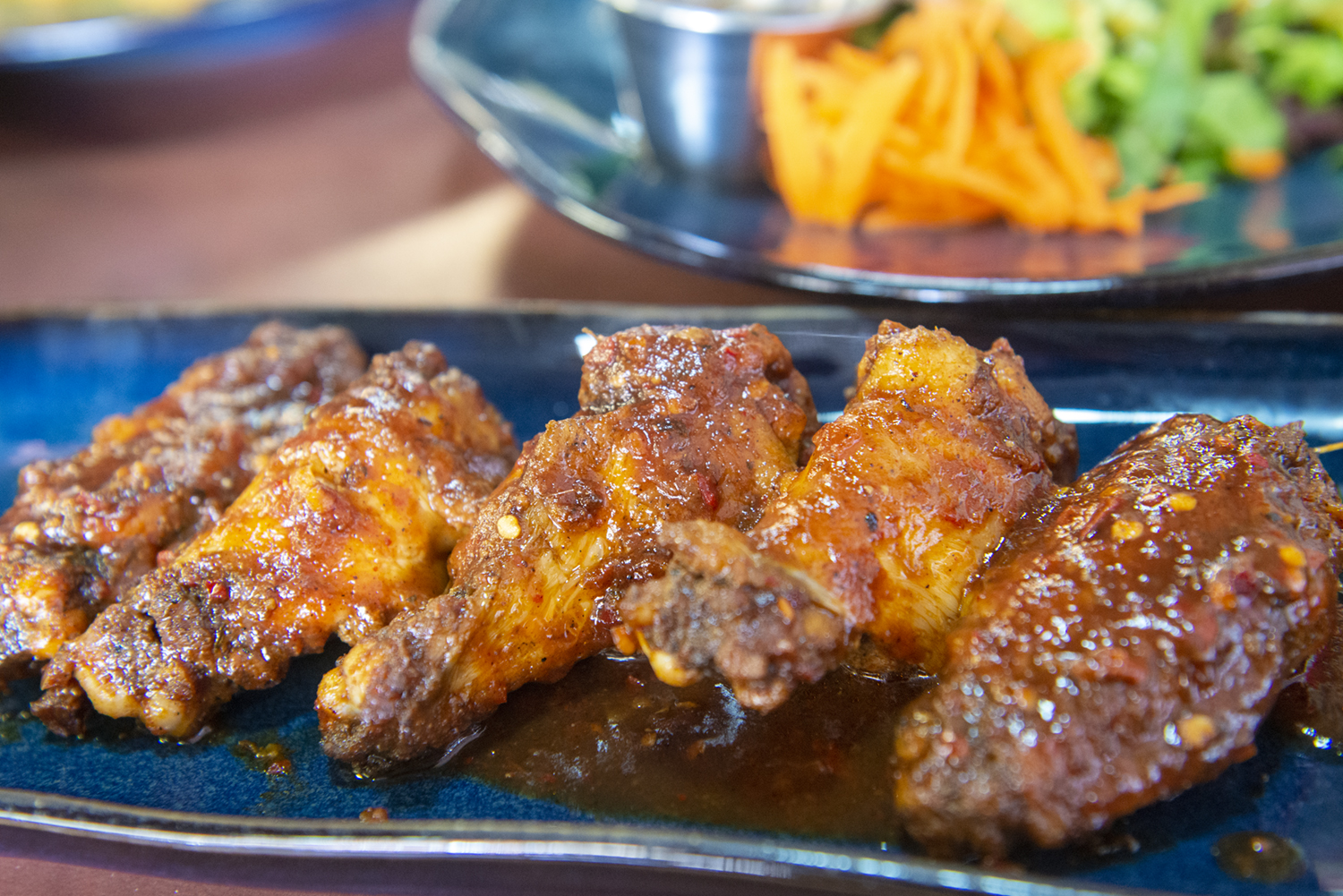
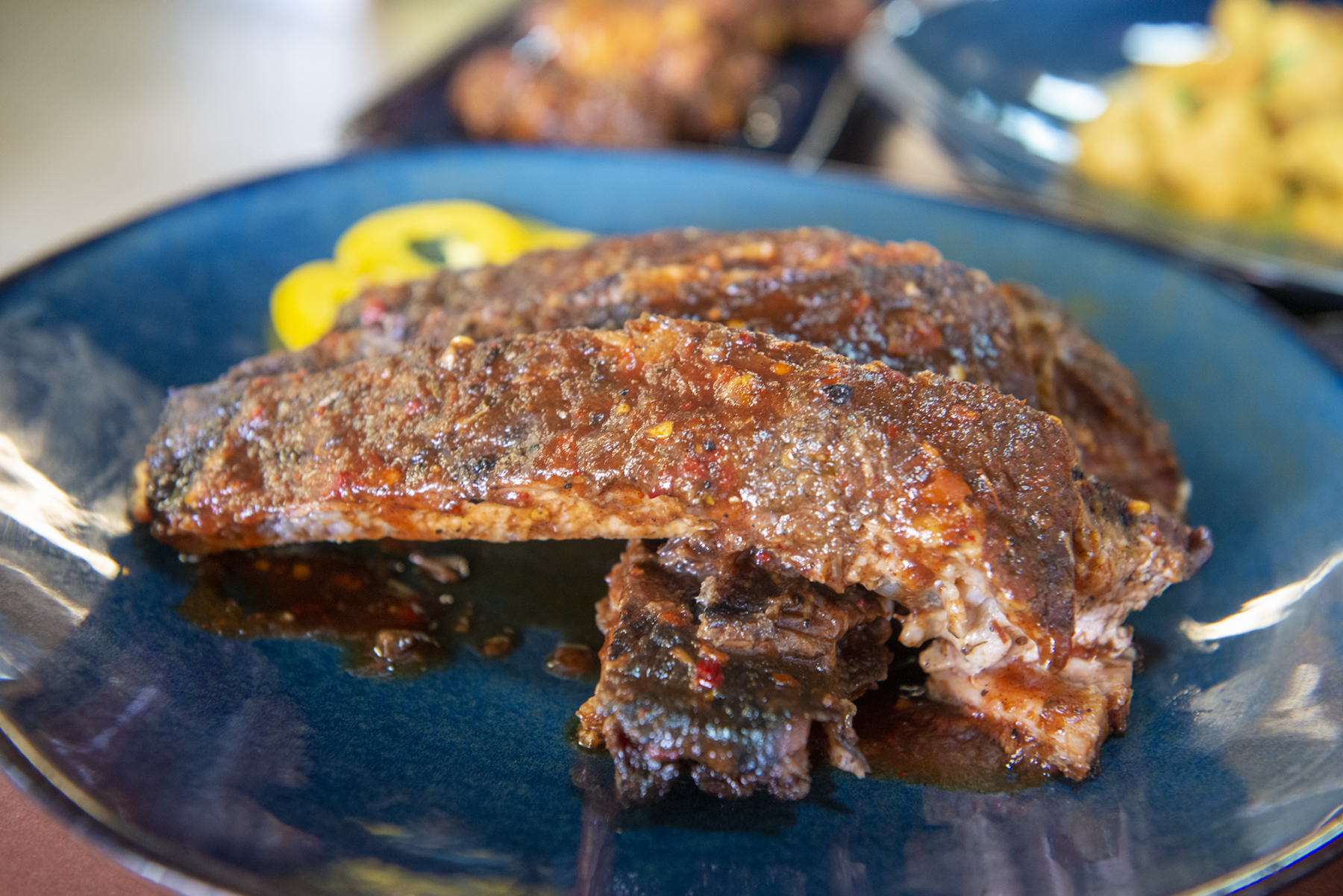
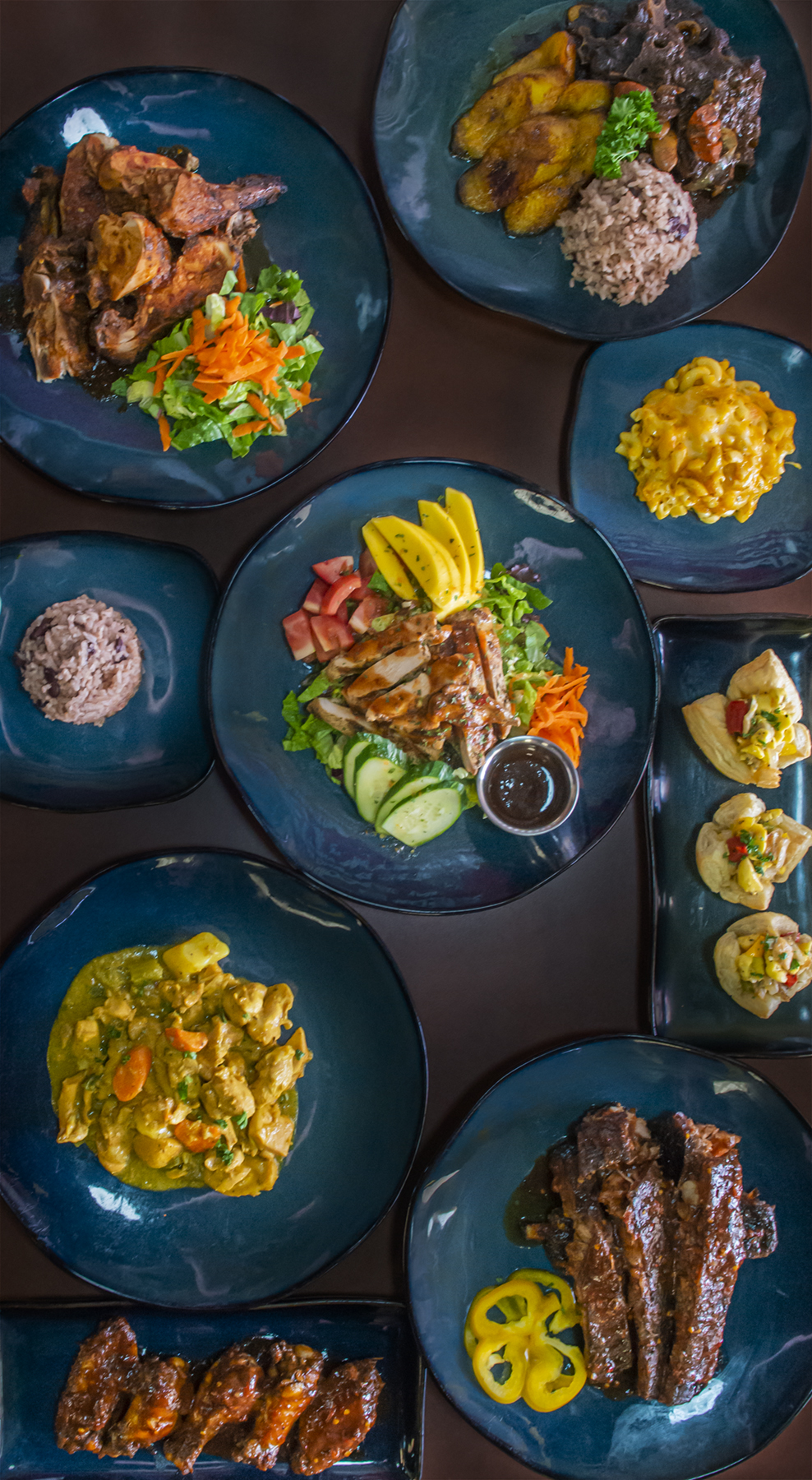
A hundred years is a long time for any food tradition to stay vivid, but Caribbean cooking has never relied on novelty to keep its place at the table. It survives because it is built on memory, adaptation, and flavor that refuses to fade. Across the islands and coastal territories, recipes have moved through families, market stalls, fishing villages, church kitchens, rum shops, and Sunday lunch tables with remarkable staying power. Ingredients changed with migration, economics, and climate. Cooking fuel shifted from wood fires to gas ranges. Imported staples came and went in popularity. Still, the central logic of Caribbean food remained intact: season boldly, cook with patience, and make every plate feel generous.
When people search for the spirit of a caribbean food centennial, they are usually looking for more than old recipes. They want to know which dishes have truly endured, which flavors still define celebration and comfort, and how these foods managed to last while the region itself changed around them. The answer is not one dish or one island. It is a collection of favorites that have crossed generations because they carry both pleasure and purpose. They feed crowds. They stretch ingredients. They turn humble provisions into something fragrant and memorable. Most of all, they taste like home to millions of people, even when home is now several flights away.
What makes a dish last for a century
Food traditions do not survive on nostalgia alone. A dish stays alive for a hundred years because it earns its place repeatedly. In the Caribbean, that usually means several things at once. The recipe needs enough flexibility to absorb change. It also needs enough backbone to remain recognizable when times are hard, when ingredients are scarce, or when cooks must improvise.
That flexibility is one of the great strengths of Caribbean cuisine. Rice can be plain or cooked in coconut milk. Saltfish can stand in for fresh fish when refrigeration is unreliable. Green bananas, breadfruit, cassava, yam, and sweet potato can each carry a meal in different seasons. Scotch bonnet peppers can make a pot sing, but a restrained hand can keep the balance if children or elders are eating. A century-old favorite is rarely rigid. It keeps its identity while allowing each household to make it their own.
Just as important is the social role of the food. Many enduring dishes are designed for gatherings, whether formal celebrations or ordinary Sundays. They scale well. They hold heat. They improve as the flavors settle. A large pot of stew, soup, rice, or curry is not just practical cooking. It is community architecture.
Jerk, the flavor that announces itself before you see it
If one style of cooking captures the drama of Caribbean seasoning, it is jerk. Its roots in Jamaica run deep, shaped by Indigenous preservation methods, African foodways, and the realities of mountainous terrain and survival cooking. What makes jerk timeless is not just heat. It is the layering. Allspice, thyme, scallion, Scotch bonnet, garlic, ginger, and often a touch of sweetness create a profile that starts aromatic and ends with a slow, persuasive burn.
Well-made jerk is not one-note spicy. That is a common mistake in restaurants chasing spectacle rather than depth. The best versions I have eaten, whether from roadside drums or from disciplined home cooks, have smoke first, then herbaceous brightness, then pepper. The meat should not taste merely coated. It should taste seasoned all the way through. That is why marinating time matters. A rushed jerk chicken can still be enjoyable, but an overnight rest produces a completely different result, especially when the seasoning has a chance to settle into the flesh.
Jerk also shows how Caribbean food evolved while holding onto its essence. Traditional pimento wood is not always available outside Jamaica, so cooks substitute charcoal, wood chips, or even oven roasting. Purists may object, and with reason, because the smoke is part of the character. Still, a thoughtful adaptation can preserve the spirit if the seasoning is balanced properly. This is the kind of trade-off that defines many centennial favorites. Authenticity matters, but so does continuity. A method that allows the dish to live in a new place is often better than a perfect standard that becomes unreachable.
Rice and peas, the quiet anchor of the Caribbean table
For all the attention given to fiery meats and dramatic stews, many Caribbean meals are held together by a pot of rice and peas. In some islands the peas are kidney beans, in others gungo peas when they are in season, and the liquid often carries coconut milk, thyme, scallion, and sometimes a whole Scotch bonnet laid gently on top so it perfumes the pot without bursting. It is not flashy food. It is foundational food.
That distinction matters. The dishes that last a century are often not the loudest. They are the ones that appear week after week, feast after feast. Rice and peas does several jobs at once. It stretches expensive proteins. It absorbs gravy. It keeps a plate cohesive. When cooked properly, each grain remains distinct but richly flavored. When cooked poorly, it turns heavy and muddy. The margin between those outcomes is small, which is why experienced cooks guard their ratios closely.
There is also a rhythm to preparing it that says something about Caribbean domestic life. Dried peas need soaking or careful timing. Coconut milk cannot be treated casually because too much can make the rice greasy while too little leaves it flat. Seasoning must be assertive enough to stand beside stewed chicken, oxtail, curry goat, or fried fish, but not so aggressive that the rice overwhelms the plate. This is the sort of cooking judgment that rarely appears in written recipes. It is learned by smell, steam, and habit.
Roti and curry, a story of migration and permanence
Few dishes reveal the layered history of the Caribbean as clearly as roti and curry. In Trinidad and Tobago and across the wider region, the legacy of Indian indentureship transformed local cooking permanently. Today, buss up shut, dhalpuri, and paratha sit naturally beside Afro-Caribbean stews and Creole sauces. That coexistence is one of the region's great culinary strengths.
A good roti is not merely bread. It is architecture and comfort in one. It must be tender enough to tear easily, sturdy enough to hold saucy fillings, and cooked with enough care that the layers remain soft rather than doughy. caribbean food centennial The curry it wraps can be chicken, goat, shrimp, channa, aloo, or a blend that shifts according to household preference and budget. The lasting appeal lies in this versatility.
Curry in the Caribbean also developed its own voice. It is not identical to Indian regional curries, though it clearly descends from them. The use of green seasoning, the treatment of meat, the cooking down of masala until it blooms, and the way pepper is introduced all signal a distinct regional identity. Trinidadian curry duck at a lime feels different from Jamaican curry goat at Easter, and both differ from the lighter seafood curries found elsewhere, yet each belongs fully within the Caribbean table.
For a dish to remain popular for a century, it must adapt to everyday life. Roti did exactly that. It became street food, lunch food, family food, and celebration food. It could be sold from a shop window, packed for work, or torn apart at home with little ceremony. Its portability helped it travel, but its flavor kept it rooted.
Saltfish, preserved memory on the plate
Long before modern cold chains made fresh proteins easier to move, salted cod connected the Caribbean to Atlantic trade routes and colonial economies. The history behind it is not romantic, but the culinary afterlife is remarkable. Saltfish became part of the food language of the region because cooks transformed a practical, preserved ingredient into something genuinely desirable.
Ackee and saltfish is the most internationally recognized example, especially in Jamaica, where it holds the status of a national dish. Done well, it is elegant in a quiet way. The ackee must be buttery but intact. The saltfish should be soaked and flaked with enough care that it seasons rather than dominates. Onion, tomato, scallion, thyme, and pepper provide lift. What looks simple on the plate is actually a lesson in restraint.
Elsewhere, saltfish enters fritters, buljol, bakes, ground provision meals, and breakfast spreads that still carry the logic of earlier generations. It lasts because it remains useful. It is dependable, concentrated in flavor, and highly compatible with starches that are central to Caribbean eating. There is also an emotional reason for its endurance. Foods once born from scarcity often become markers of identity. Families keep cooking them not because they must, but because flavor and memory fused long ago.
Soup as ceremony, not side dish
In many Caribbean homes, soup is not an afterthought. It is the event. Saturday soup in Jamaica, sancocho in the Spanish Caribbean, mannish water at celebrations, pepperpot in Guyana, and thick provision soups across the islands all prove the same point. A serious pot of soup carries social weight.
These are not delicate broths. They are dense with root vegetables, dumplings, split peas, meat, bones, herbs, and pepper. They ask for time and reward patience. The broth develops body from collagen, starch, and slow simmering. The vegetables soften at different rates. Dumplings need enough time to cook through without dissolving. A cook who rushes this process usually gets a pot where everything tastes separate. A careful cook gets harmony.
The appeal of these soups over a hundred years is easy to understand. They are deeply economical while still feeling abundant. A few pieces of meat can flavor a very large pot. Ground provisions provide fullness and nutrition. Leftovers often taste even better the next day. They also suit the Caribbean climate and social calendar better than outsiders sometimes expect. Yes, the weather can be hot, but a bowl of spicy soup still makes sense on a rainy afternoon, after a long week, or before a gathering that will stretch into evening.
The Sunday plate that never goes out of style
Ask enough Caribbean families what meal best represents home, and sooner or later the conversation lands on Sunday lunch. The exact menu varies by island and household, but the structure is familiar: one centerpiece protein, one rice or starch dish, one or two sides, and enough gravy or sauce to tie everything together. This meal persists because it combines ritual with flexibility.
Stewed chicken has probably lasted as long as it has because it solves nearly every household challenge. Chicken is comparatively accessible, the browning stage creates deep flavor quickly, and the final dish pairs with rice, provisions, macaroni pie, or a simple salad. Browning, however, is where many cooks lose control. Burn the sugar and the bitterness lingers through the whole pot. Get it right and the color and slight caramel edge make the stew unmistakable.
Oxtail occupies a different category. It was once treated more as a practical cut than a luxury, then became more expensive as its popularity surged across diasporic communities and restaurant menus. Yet it remains a centennial favorite because its cooking method aligns perfectly with Caribbean instincts: season aggressively, sear with confidence, braise slowly, finish with a gravy that clings. The modern trade-off is cost. Many home cooks now reserve it for holidays or special Sundays, which says a lot about how food traditions survive under economic pressure. They contract in frequency without losing symbolic power.
Sweet endings that carry family history
Centennial favorites are not only savory. Caribbean sweets often preserve family identity with unusual stubbornness. Black cake, coconut drops, cassava pone, sweet potato pudding, tamarind balls, guava duff, and grater cake continue to appear because they are tied to holidays, visitors, school memories, and church fundraisers. Their flavors are clear and unapologetic. They do not aim for subtlety.
Black cake, in particular, demonstrates how a recipe becomes ceremonial. The fruit must be soaked properly, sometimes for weeks or months, and the balance of browning, spice, and alcohol needs a practiced hand. Too dry and it feels punitive. Too wet and it loses structure. Every family seems to have an opinion on what makes a proper one, and those opinions are rarely negotiable.
Coconut-based sweets have survived for a simpler reason. The ingredient is abundant, flavorful, and versatile. Fresh coconut changes texture dramatically depending on whether it is grated finely, cooked down with sugar, baked into batter, or folded into a syrupy candy. That range allowed past generations to create multiple desserts from the same raw material, a practical advantage that became tradition.
The drinks that complete the picture
No account of enduring Caribbean food is complete without the beverages that frame meals and celebrations. Sorrel at Christmas, mauby with its bitter edge, ginger beer with real heat, seamoss in some households, fresh cane juice where available, and rum punch in endless local variations all deserve their place in a centennial conversation.
What they share is a refusal to be bland. Caribbean drinks, much like the food, lean into character. Sorrel should taste floral, tart, and spiced. Ginger beer should bite the throat a little. Mauby should challenge first-time drinkers before winning them over. These are not neutral accompaniments. They are part of the sensory identity of the meal.
Why some favorites travel well and others struggle
One of the more interesting questions in the caribbean food centennial discussion is why certain dishes flourish in diaspora while others remain stubbornly local. The answer usually comes down to ingredients, labor, and how forgiving the dish is outside its original setting.
These foods tend to travel best:
- dishes built on dried spices and pantry ingredients
- recipes that tolerate frozen or substituted proteins
- meals that improve after resting, transport, or reheating
- breads and wraps suited to takeaway service
- festive foods strong enough to anchor cultural gatherings abroad
Jerk, curry, patties, roti, stewed meats, and rice dishes spread successfully because they can survive adaptation without collapsing. By contrast, some seafood preparations, highly seasonal fruit desserts, and certain provision-heavy meals are harder to recreate with the same integrity abroad. Breadfruit picked too early or cassava of inconsistent quality can alter a dish more than people realize. So can the absence of fresh thyme varieties, pimento, or the right peppers.
That said, diaspora cooks are often brilliant at substitution. I have seen green seasoning made from what a North American supermarket could offer in February and still produce a convincing, deeply satisfying meal. It may not be identical to what you would eat in St. Lucia, Trinidad, Barbados, or Jamaica, but it remains recognizably Caribbean. Survival has always required adaptation in this cuisine. Purity for its own sake was never the only goal.
The seasoning philosophy behind a hundred years of favorites
If there is one thread connecting the region's most enduring dishes, it is seasoning discipline. Not excess, discipline. Caribbean cooking has a reputation for boldness, and rightly so, but the best food from the region is rarely chaotic. Salt, acid, herbs, aromatics, fat, smoke, and heat all need proportion. A Scotch bonnet can dominate a dish or elevate it. Browning can deepen flavor or turn harsh. Coconut milk can round out spice or make a pot feel heavy. Judgment is everything.
A few habits separate memorable cooking from average versions:
- season in layers rather than all at once
- give marinades time to work, especially on tougher meats
- taste starches and sides as carefully as the main dish
- let smoke, char, and caramelization support flavor, not mask weak seasoning
- respect resting time, because many stews and curries settle beautifully after cooking
These are not glamorous insights, but they explain why one household's simple stewed fish can stay in your mind for years while a more elaborate restaurant plate is forgotten by evening. Centennial favorites are usually technique-driven in quiet ways. They depend on repetition, sensory memory, and confidence.
What the next hundred years are likely to preserve
Food traditions never stand still, and Caribbean cuisine is no exception. Health concerns are changing how some people approach salt, sugar, and frying. Climate pressures are affecting fisheries and crop reliability. Younger cooks often work with less time and smaller kitchens than their grandparents had. At the same time, interest in heritage cooking is stronger than it was twenty years ago, especially among diaspora communities trying to hold onto identity through food.
The dishes most likely to endure are the ones that can absorb these pressures without losing themselves. Rice-based meals will remain. Curries will remain. Jerk will remain, even if more of it comes from ovens and grills than from traditional pimento wood. Soup will remain because it makes sense economically and culturally. Saltfish, despite changing tastes, will likely remain because it sits too deeply in the culinary memory of the region to disappear entirely.
What may change is the context. A dish once made for necessity may become occasional and celebratory. Another once reserved for holidays may become everyday takeout. Recipes may slim down in one generation and return richer in the next. That is normal. Longevity does not mean fossilization. It means a cuisine keeps finding ways to sound like itself.
A century of Caribbean favorites teaches a useful lesson about culinary endurance. The foods that last are not always the most expensive, the trendiest, or the most photogenic. They are the ones that satisfy on several levels at once. They make practical sense. They invite company. They survive substitution. They reward skill. They carry story. Most of all, they taste so complete that people keep cooking them even after the original necessity has long passed.
That is why these dishes still matter after a hundred years. Not because they belong in a museum of regional classics, but because they are alive in ordinary kitchens, lunch counters, beach shacks, and family celebrations right now. A true centennial favorite is not preserved under glass. It is served hot, seasoned with conviction, and passed across the table before the pot is empty.
Reggae Pot Jamaican Grill
Address: 7562 S University Blvd Unit C, Centennial, CO 80122
Phone: (303) 997-5623
FAQ About caribbean food centennial
What Jamaican dishes can I try in Centennial?
Reggae Pot Jamaican Grill serves Jamaican specialties such as jerk chicken, stewed oxtail, curry goat, and ackee and saltfish. Check the current menu for availability.
What is ackee and saltfish?
It is Jamaica’s national dish. The restaurant prepares ackee with salted cod, onions, thyme, tomatoes, garlic, black pepper, and pimento.
Can I order Jamaican food for pickup in Centennial?
Yes. Choose the Centennial location at 7562 S University Blvd Unit C when placing a takeout order.